Reduce and Defer Costs in a home renovation
House renovation is a significant financial undertaking, particularly in Sydney with the cost of real estate and controlling costs is paramount to a successful project. This is a two part series where we look at reducing the upfront construction cost and still tick your renovation boxes. While many focus on major structural elements, there are two effective strategies for immediate cost reduction and budget flexibility.
Part One: Interior finishes – The best approach for you renovation
Understanding that this often-overlooked category consumes a significant percentage of the total project budget is the key to potential project savings.
The Hidden Cost
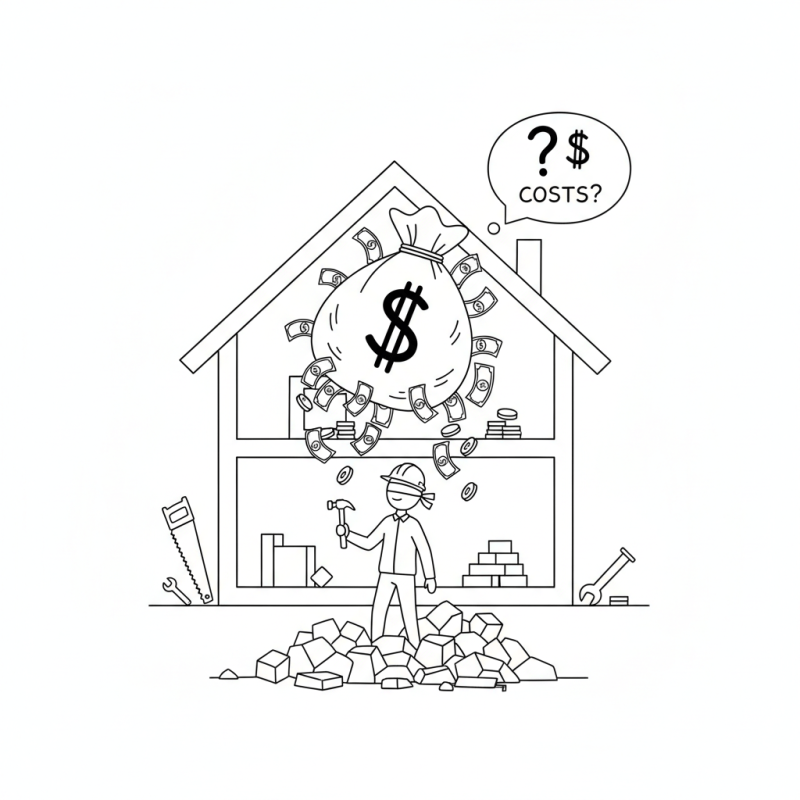
When reviewing total project budget breakdowns of your renovation, the cost for the “shell” of the building—the foundation, floor, framing, roofing, and exterior walls—might seem like the bulk of the expense. However, once you factor in everything that makes a structure liveable and aesthetically pleasing, the numbers shift dramatically.
Interior finishes encompass all the visible, touchable elements inside your building, including:
- Flooring: Hardwood, tile, carpet, vinyl, polished concrete.
- Cabinetry (Joinery): Kitchen cabinets, laundry joinery, bathroom vanities, built-in shelving.
- Benchtops: Granite, marble, composite stone and laminate
- Plumbing Fixtures: Tapware, sinks, toilets, baths, shower screen, floor wastes, strip drains.
- Lighting Fixtures: Decorative pendants, recessed lighting, chandeliers.
- Interior Doors and Hardware: Premium doors, handles, and locks.
- Wall Finishes: Paint, gyprock finish, lining board, shiplap, wallpaper, high-end tiling (e.g., backsplashes, bathroom tiles).

For many projects, these items are heavily influenced by personal taste and designer specifications, can easily account for 30% to 50% of the entire home renovation project budget after the basic structure is enclosed.
We’re not saying that you should remove this portion of the cost entirely. However, the numbers are saying the cost associated with interior finishes can add up quickly to your home renovation in Sydney.
Strategy: Defer and Simplify for Immediate Savings
How do you achieve the home of your vision and stay in budget? Let us first explore how to reduce the upfront capital required for your home renovation or extension. Defer or simplify your interior finishes.
1. Function over form; Needs over wants.
The goal is to achieve a functional, and budget friendly renovation that meets Authority Approvals that is ready for final finishing touches, without the high cost of premium materials and continuous financial upkeep of those materials.
- Flooring: Install inexpensive, durable flooring like basic polished concrete, engineered flooring, carpet instead of high-end tile or select hardwood floors and associated nominated finishes.
- Basic Lighting and Fixtures: Use simple, inexpensive, and functional lighting (e.g., standard ceiling-mount fixtures or recessed lights) and basic builder-grade plumbing fixtures (e.g., Tapware and toilets). These items are easy to replace later, and a standard range is easy to match. If broken and the tapware you chose is not in stock anymore, you would have to replace with another.
- Benchtops: Opt for durable stain resistant engineered stone top or durable Laminate than marble and granite. Laminates have come a long way since the mid-century, if you are on a budget, take a look at the options available and be blown away by the realism. Also replaceable later when budget allows.
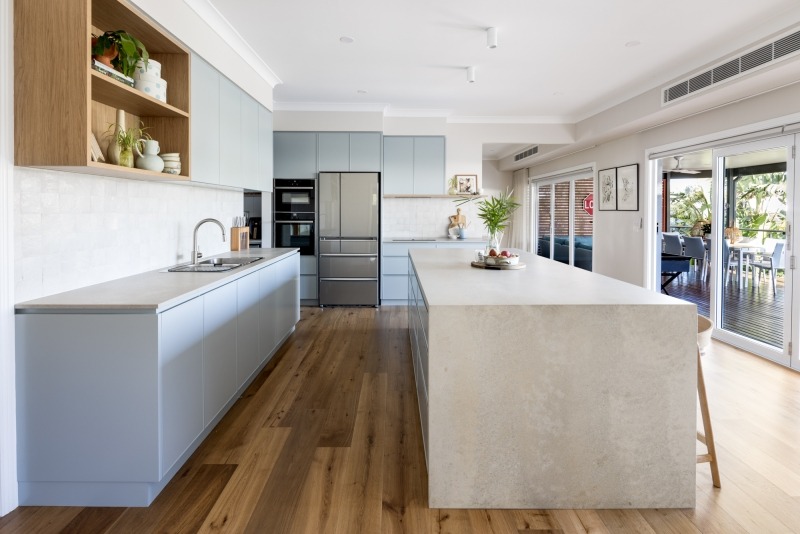
Kitchen Renovation by Rossmark Building Designers 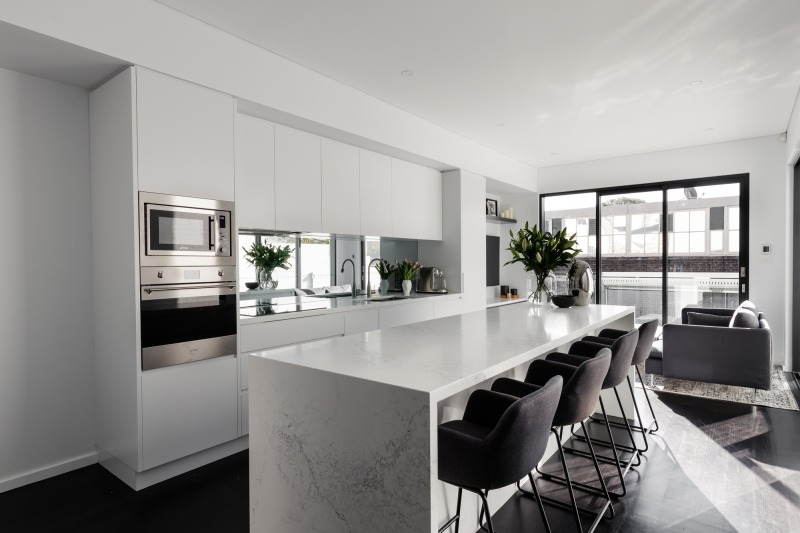
Kitchen Renovation by Rossmark Building Designers
- Simple Cabinetry: Regarding cabinet door and drawer faces, opt for laminates instead of Polyurethane doors. You can upgrade the doors and hardware later. More on this aspect in Part Two.
- Minimal Wall Finish: Basic neutral paints are great canvas for adding your personal style and touch later. As your taste, your life and the trends change, you can add or subtract finishing touches like plants, furniture, artwork or even wall paper that cost less to replace. Opt to defer the cost of installing custom mouldings, lining boards at a later date.
- Wet area tiling: Tiles are a must to protect your wet areas from water damage. When you’re planning your bathroom renovation, consider plain white tiles for the shower and bath areas and splurge on custom handmade/hand painted unique tiles towards the splashback. You can also opt to create a simple canvas to make your decorations or the vanity the show stopper of your bathroom renovation. Additionally, consider a two-tone wall, where one half is the feature tile and the rest in cheaper, durable white tiles.
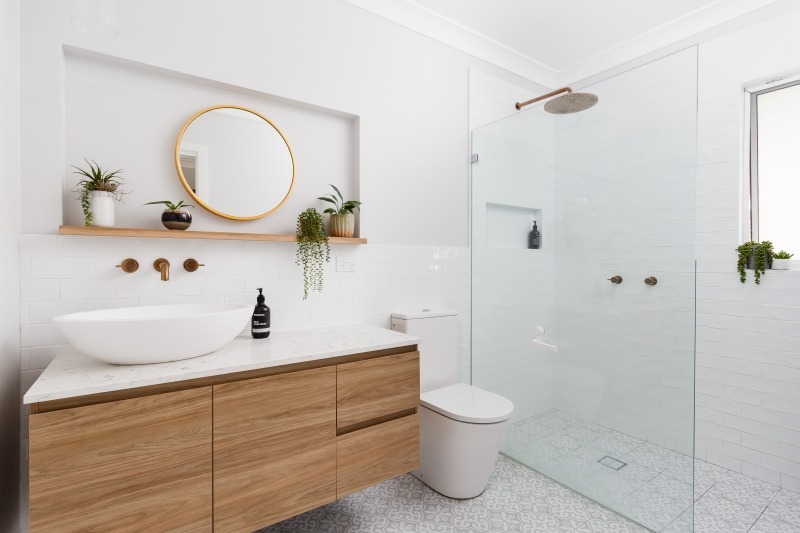
Bathroom Renovation with White Subway Tiles by Rossmark Building Designers 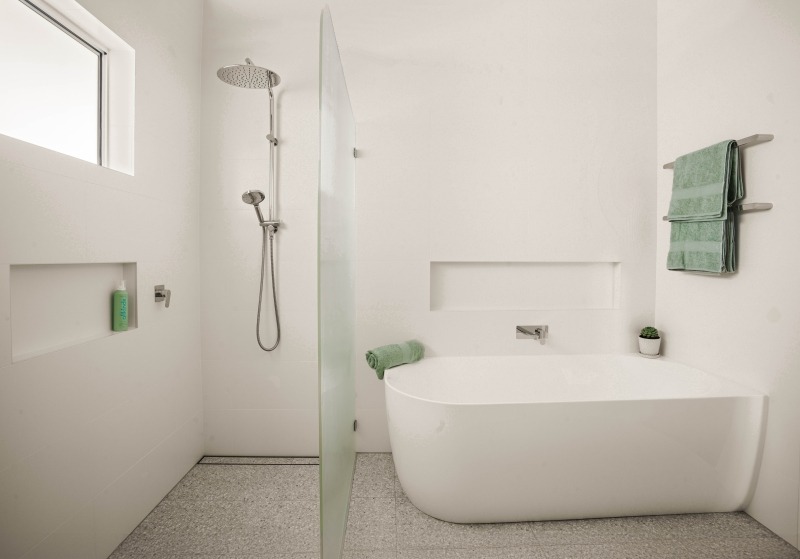
Bathroom Renovation with White Tiles by Rossmark Building Designers 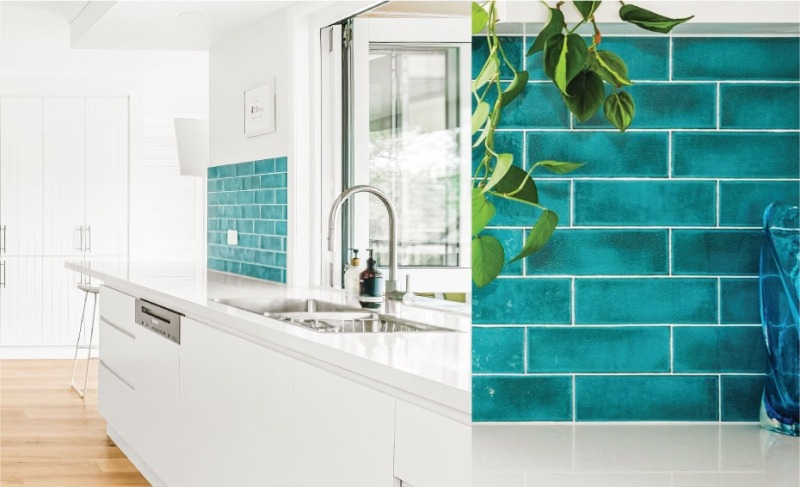
Splashback Tiles in Kitchen by Rossmark Building Designers
- Window treatment: Blinds, shutters, roller blinds, curtains and bulkheads made for concealing them can make a statement in your room and in certain cases much needed to make a home cosy. These can be deferred to be installed later, opt for the standard vertical blinds for its practicality, especially for north facing windows to keep the house cool, until finances permit for a much more eye-pleasing upgrade.
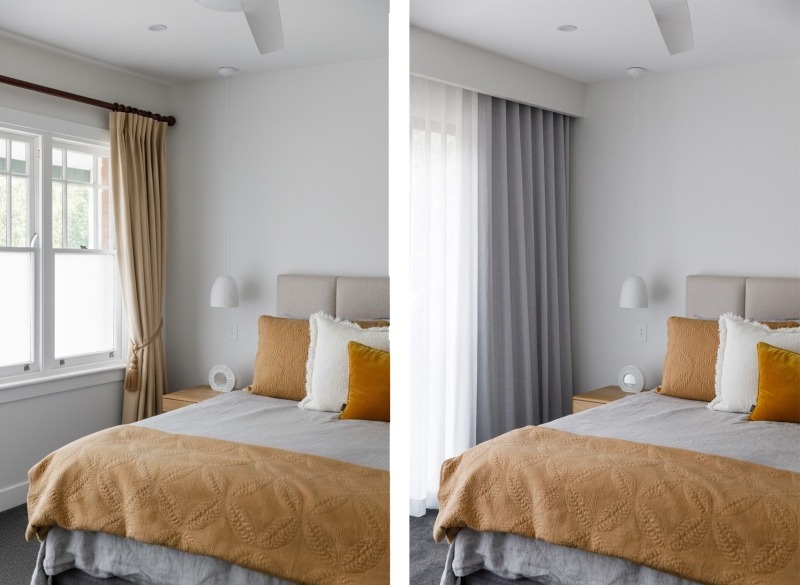
Standard Fabric and Curtain Rod vs Concealed double curtain system with pelmet.
- Deck: Hardwoods used for decks are durable class 1 materials, these can be left untreated and not stained if one chooses. They will weather into a silver grey beautifully. Choosing to stain later can defer an estimated $4500, leave natural let nature transform your deck or terrace into the aged, warm look, with no additional upkeep costs. Here’s an example of a house extension in Sydney where the client chooses to make the most of the unstained deck, continuing the home extension with more unstained deck to tie in the old and complete the look.
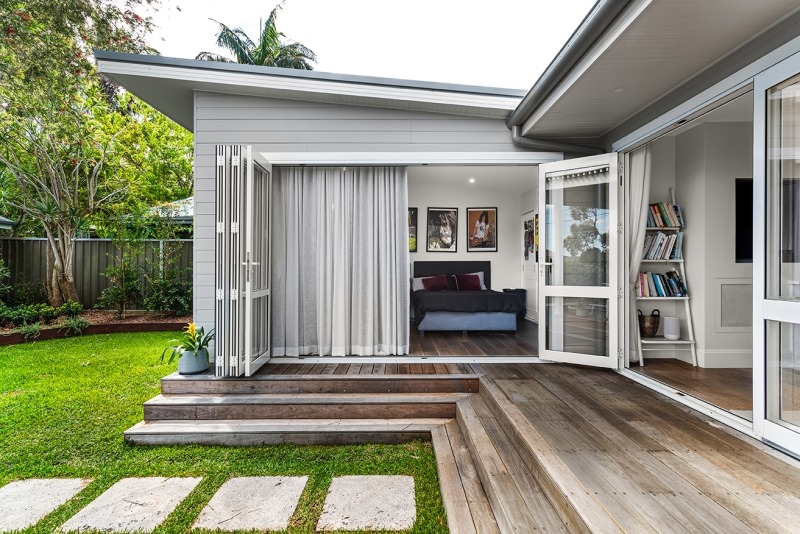
Home Renovation and Extension with unstained Deck by Rossmark Building Designers
2. Future-Proofing Your Interiors: choose a classic base for your home renovation
When considering the significant investment in interior finishes, it’s crucial to remember that design trends are constantly changing—what feels cutting-edge today can look dated in just a few years. A wise strategy is to opt for classic, timeless finishes for the more permanent elements like wall finish, flooring, bathroom tile, and kitchen backsplashes. These enduring materials, such as neutral stone, white subway tile, and light-stained hardwood, create a neutral and elegant canvas that forms a foundational aesthetic. This reserved approach allows you to introduce trendy colours, patterns, and styles through easily replaceable items like furniture, paint, lighting, cushions, throws and textiles, ensuring your home can be updated economically without the high cost and disruption of a major house renovation every time a new trend emerges.
- Lining board vs Gyprock finish to the raked roof in the image below – an estimate of $5500 saving
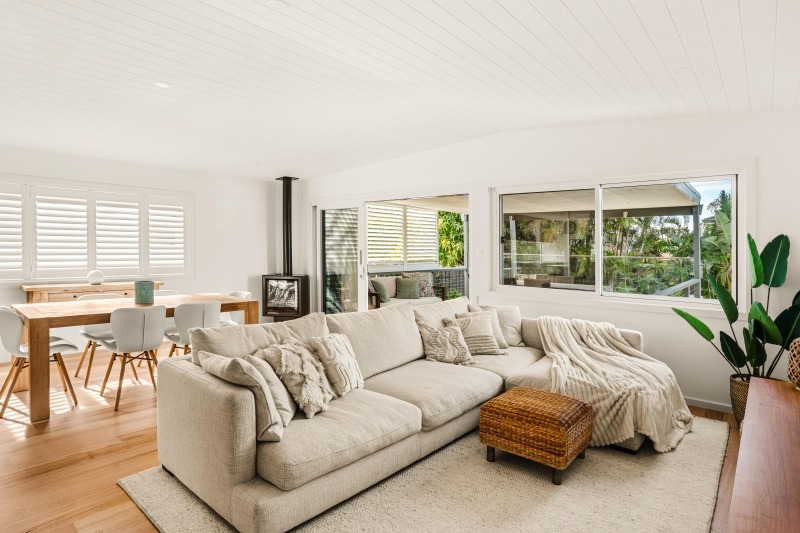
Living Room Raked Roof Lining Board by Rossmark Building Designers 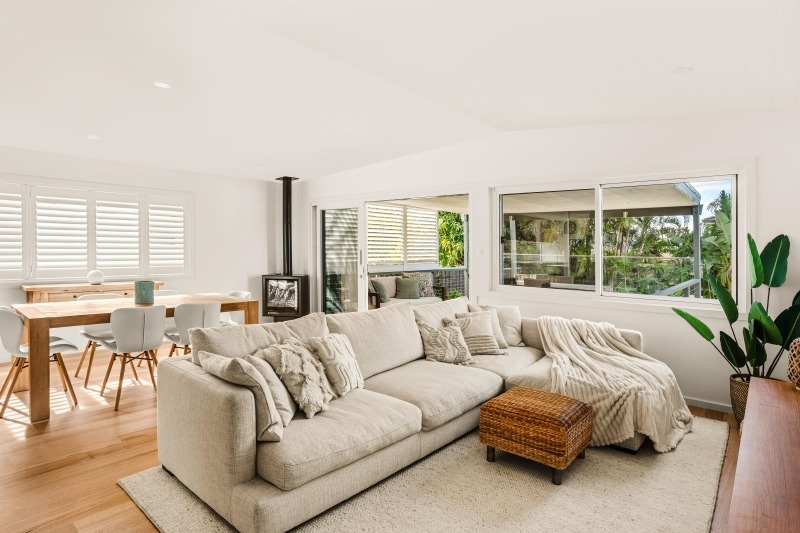
Living Room Raked Roof with Gyprock ceiling instead
- Lining board vs painted feature wall – an estimate of $1800 saving
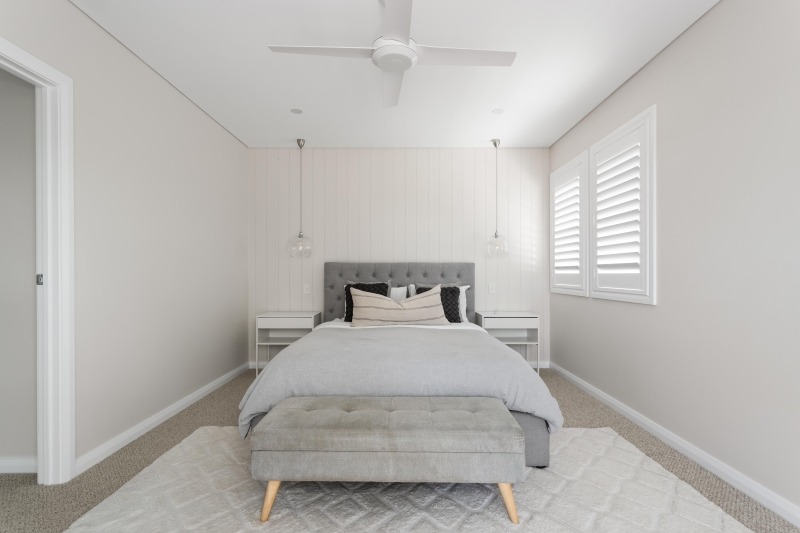
Masterbed Lining Boards by Rossmark Building Designers 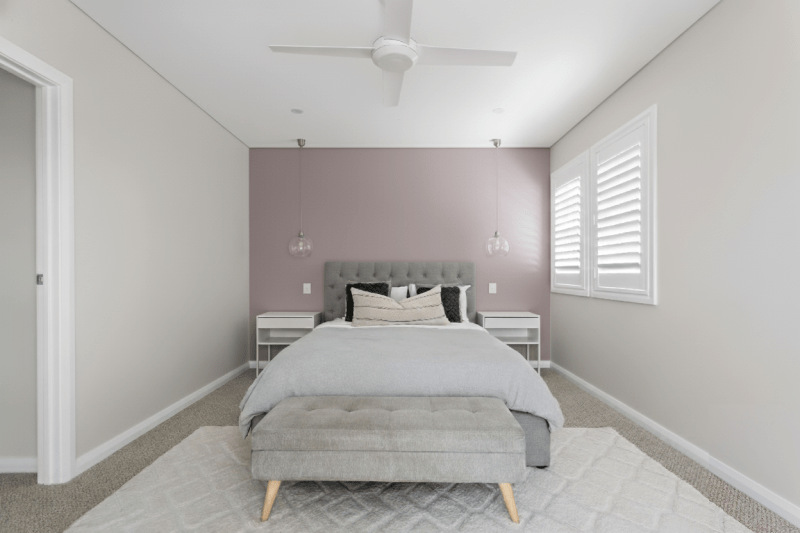 Masterbed Painted instead
3. Unlock Capital for the Future – Home extension
By focusing your initial expenditure on the exterior of the home, the extension or second storey addition and mechanical systems (air-conditioning, electrical wiring, basic plumbing), you achieve two major financial benefits:
- Reduced Upfront Loan/Financing: A lower initial construction cost means a smaller loan principal or less immediate capital expenditure. This can significantly improve your total project budget’s cash flow.
- Deferred Interior Upgrade: The money saved can be held back and reinvested later when finances allow, or when the cost of materials or labour might be more favourable. It also gives you more time to save or budget specifically for the exact finishes you want, rather than compromising under pressure.
More on the importance of installing concealed elements as part of your initial home renovation in Part 2
The takeaway is clear: Don’t let your desire for immediate wants unnecessarily inflate your initial construction budget. Complete the essential, structure first, and intentionally reserve the substantial funds designated for interior finishes for a later, separate smaller home renovation phase. This tactical separation of construction phases provides invaluable financial breathing room and ensures you can afford the quality finishes you truly desire while still being able to live life and not be controlled by the mortgage.
Read on – Smart Home Renovation Savings: Part Two